

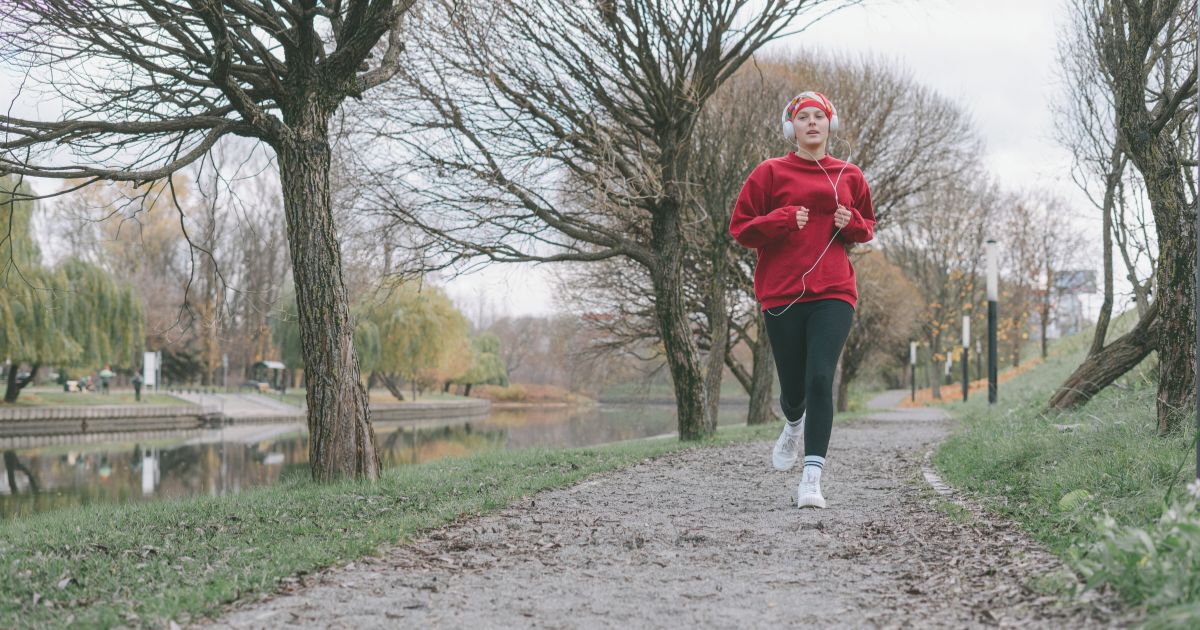
Somewhere between the rhythm of my footsteps and the whisper of dawn, something changed. Running stopped being about pace, calories, or medals. It became quieter — something gentler, something closer to therapy.
I didn’t plan for it. I wasn’t chasing healing. I simply needed space — to breathe, to escape the noise of a life that demanded constant performance.
But as the miles passed, I realized something subtle was shifting. The body was moving forward, but the heart was learning to let go.
That’s the quiet secret of running as therapy — it works without calling itself therapy. You start by moving your legs, and somehow, your soul begins to move too.
The Run That Listens Back
When you are an introvert, silence is sacred. But the world rarely gives it. Work meetings, notifications, endless chatter — all pulling you away from your center.
So I ran.
Not to compete. Not to impress.
Just to return to myself.
Out there — on a dim road or a quiet treadmill — there’s no audience, no applause. That’s when you discover the beauty of running without an audience: you run not to be seen, but to see yourself.
In the first few miles, thoughts chatter like restless birds.
Deadlines. Regrets. Conversations that didn’t end right.
But as the minutes stretch, the rhythm steadies. The noise softens. It’s as if the run itself begins to listen — patient, wordless, kind.
Sometimes tears come without warning. No therapist could have drawn them out as honestly. The motion gave my emotions permission to breathe.
“There is a therapy that doesn’t require talking — only moving.”
That’s when I began to understand the true benefit of running alone. Solitude wasn’t isolation. It was intimacy — a reunion with myself.
Emotional Release in Motion

Around kilometer seven, when the body is tired enough to drop its guard but strong enough to continue, honesty appears.
You stop pretending. You stop editing your emotions. The pace becomes confession.
Running gave me a place to unravel — not to fall apart, but to release. I’ve replayed old memories mid-run. Forgiven those who never apologized. Forgiven myself.
Science calls it endorphins. I call it emotional alchemy. This is where the running mental health benefits go beyond biology. It’s not just the chemical lift; it’s the rhythm that allows feelings to stretch and reorganize.
“You don’t have to run away from your feelings — you can run with them until they change shape.”
Each run becomes a quiet form of self-healing through running — breath, sweat, and surrender blending into something medicinal.
The Silent Counselor: Solitude
Before I made peace with solitude, I feared it.
Being alone used to echo with loneliness. But something shifted once running and solitude became one.
The road never judged my thoughts. The treadmill never interrupted. The air never offered shallow advice.
When I ran, I finally heard what my mind had been trying to say.
Many people mistake silence for emptiness. But in solitude, there’s a world unfolding within. Thoughts become stories. Worries soften into insight.
Running gave me access to that inner dialogue — one I had avoided for years.
“Solitude isn’t the absence of connection. It’s the space where connection begins.”
Now, solitude feels like a sanctuary. It’s where I recharge, reflect, and rediscover myself. If you’ve ever feared being alone, try running through that fear. You’ll see that running and loneliness are not the same.
One drains you; the other heals you.
That is the quiet lesson of running and solitude — peace doesn’t arrive from others; it grows within motion.
Mind Over Miles: The Healing Dialogue
There’s a peculiar clarity that comes when the body is busy and the mind grows quiet. This is where I often meet my real self — stripped of roles, stripped of noise, stripped to breath.
I talk to myself during runs. Not shallow pep talks — deep ones:
Why did that hurt me? What am I afraid of?
This inner dialogue, born from solitude, is what I call running for mental clarity. It’s not about escaping thoughts; it’s about untangling them through motion.
Some runs become mirrors. Some become release valves. And sometimes, they become prayer — a rhythmic conversation between the self that struggles and the self that endures.
As I once said, “Only the disciplined ones in life are free.”
That discipline frees not just the legs, but the heart. You learn to sit with discomfort — both in muscles and in memories — and find peace within.
That’s running emotional resilience: the quiet courage to stay, breathe, and continue.
Running as Moving Meditation
At some point, I stopped trying to use running to heal. I simply ran — and the healing followed.
That’s the essence of running meditation: when rhythm, breath, and awareness merge into stillness.
It’s not about escaping thoughts but observing them pass like scenery.
When I run this way, the world sharpens.
The light on the road. The sound of shoes against pavement. The pulse in my wrist. Every sensation whispers: I’m alive. I’m enough.
Running becomes spirituality in motion — not something written, but something felt deep beneath the ribs.
When the run ends, you return home lighter, clearer, reconnected. Your body has prayed through motion.
From Struggle to Strength
Healing isn’t a single run. It’s a pattern — like breath, like cadence. Each time you show up — tired, anxious, uninspired — you remind yourself: I can keep going.
That consistency, that quiet persistence, builds the foundation of running emotional resilience.
There are days when running feels like punishment. Legs heavy, mind fogged. But those are the days that make you stronger — because you’re not chasing joy, you’re practicing endurance.
Resilience isn’t built in the easy miles; it’s forged in the ones you almost quit.
You learn that emotions, like hills, are temporary.
Keep breathing. Crest the rise. Strength follows.
“The finish line isn’t where you heal — it’s where you realize you already did.”
How Running Quietly Changes Your Life
At first, the changes were invisible. Then they began to show in small ways. I became calmer in traffic.
More patient in conversation.
Slower to judge.
That’s when I realized the phrase running changed my life wasn’t an exaggeration — it was a transformation through repetition.
Running didn’t just train my legs. It trained my responses to life.
When you’ve faced your own fatigue at kilometer fifteen and kept moving, arguments lose their sting.
When you’ve learned to find stillness mid-stride, chaos feels less personal.
Running became my teacher — in humility, in grace, in rhythm. It never lectured. It simply let me experience.
From Release to Renewal
There’s something sacred in the post-run quiet. You finish drenched in sweat, heart echoing in your chest — but inside, there’s calm.
The world’s noise is still there, but it no longer owns you.
That’s the full circle of self-healing through running — from release to renewal.
You start by escaping yourself. You end by returning home, softer yet stronger.
These miles aren’t about distance anymore. They’re about integration — stitching together the scattered pieces of your mind.
And sometimes, that’s all the therapy you need.
The Quiet Revolution
If you’ve ever felt unseen, unheard, or overwhelmed — maybe what you need isn’t more noise. Maybe you need movement.
Running won’t solve your life. But it will soften its edges enough for you to understand it.
For introverts like me, it’s the perfect rebellion — healing in silence, growth without announcement.
You don’t need to post every run. You don’t need applause.
You just need that first step — the one that says, I’m ready to meet myself again.
So run.
Not for the miles.
Not for the data.
Run for the therapy that doesn’t call itself therapy. Because the most profound healing doesn’t happen in conversation — it happens in motion.
“Some people find therapy in words. I found mine in footsteps.”