


I didn’t start running because I wanted a new identity or some big turning point. I wasn’t looking for a life lesson. I just needed something simple to anchor my days — a routine that made sense when everything else felt unpredictable.
But somewhere along the way, the miles started adding up, not just on my watch, but in my life.
I didn’t notice it at first. That’s how running changed my life — quietly. It didn’t arrive with a dramatic moment. It crept in slowly, reshaping the way I think, react, and understand myself. Looking back now, the shift feels obvious.
At the time, it felt like normal days stacked on top of each other until they weren’t normal anymore.
The Quiet Power of Running Alone
Running alone strips away everything unnecessary. There’s your breath, the ground, and whatever you carried into the run. No expectations. No conversations. No pressure to act like you have it together.
In a world full of noise — work, messages, responsibilities — being alone on a run creates a rare kind of quiet. And that quite changes you. Not in a dramatic, spiritual way, but in a practical one.
When you’re out there without distractions, you start noticing the things that actually matter to you. You hear the thoughts that get drowned out during the day. You understand what’s bothering you and what isn’t.
I learned quickly that solitude and running fit together naturally. There’s honesty in those miles that you rarely get anywhere else. And once you get used to that honesty, you start looking forward to it.
Finding Clarity in the Rhythm
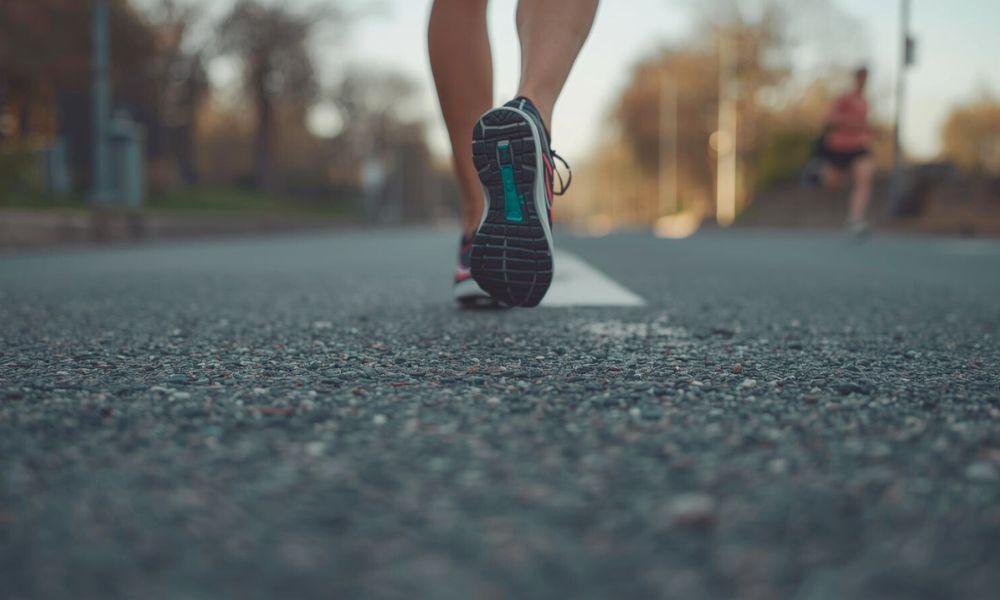
There’s something about the rhythm of running that forces your mind to calm down. You’re not thinking in circles.
You’re not spiraling. You’re just moving forward at a steady pace, and somehow your thoughts fall into the same pattern.
This became my version of mental clarity. Not dramatic insights — just problems losing their sharp edges. The stress I carried from work or life didn’t vanish, but it became manageable.
Running created a space where I could actually think instead of reacting.
Some people call this running meditation. I never called it anything. I just knew that I finished runs feeling more level-headed than when I started. The world didn’t change, but the way I looked at it did.
When Running Becomes Therapy Without Trying
I didn’t begin running to work through emotions. But eventually, the miles started uncovering things I didn’t know I’d stored away. That’s when running quietly became a form of running therapy.
There were runs where frustration surfaced halfway through for no clear reason. Runs where I realized I’d been ignoring something that needed attention.
Runs where I finished lighter than when I began — not because life was easier, but because I finally stopped holding everything so tightly.
Running didn’t “fix” anything. It simply gave me space to feel things without rushing through them. Some people talk to a therapist in an office. I worked things out on sidewalks and park loops.
Letting Go of Being Seen

Before running, I cared too much about how I looked while exercising. Too slow, too awkward, not athletic enough — the usual doubts. But running alone changed that.
Without anyone watching, I stopped thinking about how I appeared and started focusing on how I felt. Over time, that shift stuck. I stopped caring if someone saw me struggling up a hill.
I stopped worrying about pace or form or whether I looked like a “real runner.”
That’s the difference when you run without an audience. You finally learn to run for yourself.
And once you experience that kind of freedom on the road, you start wanting it everywhere else — at work, in relationships, in decisions that actually matter.
Rethinking Loneliness
Before running, being alone felt uncomfortable. It felt like something to avoid. But spending hours on solo runs changed the way I understood solitude.
Being alone on a run didn’t feel empty. It didn’t feel sad. It felt steady. It felt controlled. It felt like the time I actually needed.
That’s when I finally understood the difference between being alone and being lonely. Loneliness is the absence of connection.
Solitude is the presence of yourself. Running taught me how to be comfortable in my own company — and that’s something I didn’t expect to learn from exercise.
Building Stronger, Quiet Strength
Most people think running strength comes from speed or long distances. But the real strength comes from the hard days — the days you don’t feel like running but go anyway. The days everything feels heavy. The days you almost stop.
Those miles built a form of resilience I didn’t have before. Not dramatic toughness, but quiet toughness. The kind that shows up in real life — in stressful conversations, in difficult choices, in moments where you’re tested.
That’s emotional resilience built step by step. And once you know you can overcome discomfort on a run, you realize you can overcome discomfort anywhere.
How Running Changed How I See Myself

Running forces you to face yourself honestly. It shows you your limits, but also the fact that those limits can move. I started learning things about myself I never would’ve discovered sitting at home thinking.
Running taught me that I’m capable of more than I assume. That discipline is something you build, not something you’re born with. That progress can be slow but still meaningful.
I didn’t become a different person. I became a clearer version of myself.
How Running Changed How I See Others
When you’ve struggled through your own tough miles, you soften toward people. You realize everyone has their own invisible battles — stress, fear, pressure, grief.
Running didn’t make me kinder in theory. It made me kinder in practice. It made me slower to judge. It made me understand that everyone is carrying something heavy, even if they hide it well.
Once you recognize that on the road, you recognize it everywhere.
How Running Changed How I See the World
When you explore the world at a running pace, you start noticing things you never paid attention to. The way the morning air changes through the seasons. The quiet sound of a neighborhood waking up.
The small details that get lost when you move too fast.
Running didn’t just change my surroundings. It changed my awareness. I became more present. More observant. More grounded in the places I used to pass without seeing.
The Change I Didn’t Expect
If someone told me years ago that running would reshape my life, I wouldn’t have believed it. I thought it would help with fitness, maybe manage stress — nothing big.
But running ended up giving me more than I expected:
• A routine that makes sense
• A way to clear my head
• A healthier way to deal with emotions
• Confidence without performance
• Strength that lasts outside the run
• A clearer sense of who I am
• A better understanding of people
• A more grounded view of the world
Running didn’t solve my problems.
But it changed the way I face them — and that changed everything else.
When I say running changed my life, I don’t mean dramatically. I mean steadily. Quietly. In a way that sticks.
And I wouldn’t trade that for anything.